
New study identifies antimalarial compound as promising candidates for the treatment of pulmonary arterial hypertension
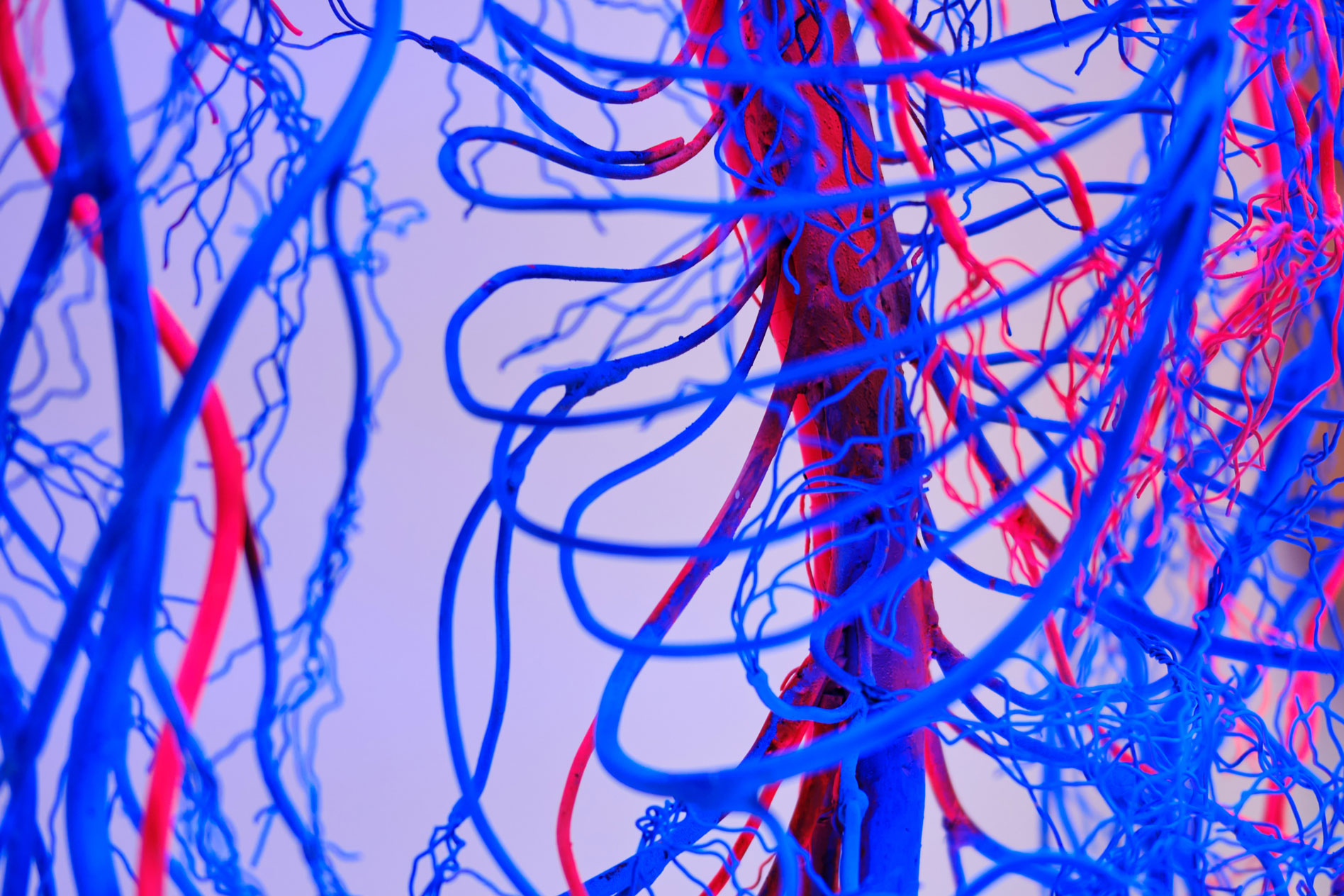
The team reports that cryptolepine, a natural compound originally known for its antimalarial properties restore the of two important signalling pathways that are disrupted in PAH leading to abnormal growth of cells blocking the small blood vessels in the lungs. The researchers demonstrated that these compounds reduced abnormal cell growth, promoted programmed cell death and protected cells from oxidative damage. These findings suggest that cryptolepine could form the basis of a new type of treatment that targets the underlying cause of the disease rather than improving symptoms.
Recognising the translational potential of this discovery, the University of Bradford has filed a patent application covering the medical use of cryptolepine in PAH and other diseases associated with abnormal signalling pathways. This work will pave the way for further preclinical evaluation and clinical trials.