
Creative Biolabs Enhances Preclinical Oncology Pipelines with Advanced 3D Organoid Models
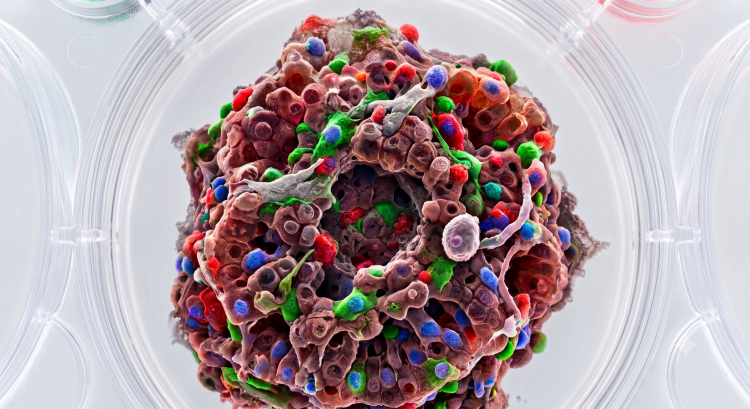
The global oncology research community is experiencing a transformative shift as classic two-dimensional (2D) monolayer cell cultures and traditional in vivo animal models face increasing scrutiny over their predictive limitations. Conventional 2D systems frequently lack the complex structural hierarchy, physiological gradients, and cellular heterogeneity of native human tissue. At the same time, animal models—including standard patient-derived xenografts (PDXs)—often suffer from high costs, long establishment timelines, variable success rates, and species-specific translational barriers. As drug development teams seek to overcome these longstanding challenges, the need for human-relevant in vitro platforms designed to bridge the gap between early-stage discovery and clinical application has never been greater.
To address these translational bottlenecks, 3D organoid models have rapidly gained prominence as increasingly important tools across pharmaceutical companies, CRO/CDMO partners, and academic research institutions. Derived from stem cells, primary somatic tissues, or patient tumor specimens, these self-organizing three-dimensional micro-structures effectively mimic the biological architecture, spatial organization, and extracellular matrix interactions of real human organs. By preserving crucial cell-to-cell signaling pathways and the autologous genetic profiles of original patient tissues, organoid technology allows researchers to observe complex pathophysiological processes with high physiological accuracy.
To support the evolving requirements of targeted drug discovery and translational oncology, Creative Biolabs provides a comprehensive portfolio of customizable 3D tumor organoid models covering a diverse spectrum of human cancer types. These sophisticated platforms enable high-throughput screening of therapeutic candidates, accurate evaluation of cytotoxicity, and deep exploration of tumor biology. By reflecting inter-patient heterogeneity, tumor organoid systems empower research teams to evaluate drug candidate efficacy across biologically diverse samples, thereby improving translational assessment of lead compounds prior to embarking on costly clinical trials.
A notable highlight within the company's platform expansion is its patient-derived liver cancer organoid model system. Primary liver cancer remains notoriously challenging to model due to the intricate metabolic function, immunogenicity, and specialized cellular microenvironment of hepatic tissue. Creative Biolabs' PDX-derived liver cancer organoid (PDXO) model effectively resolves these roadblocks by retaining the genomic characteristics, functional protein expression, and tissue architecture of parent tumors across extended passages. Compared to conventional animal xenografts, PDXO models offer distinct advantages in establishment efficiency and experimental consistency, enabling relatively rapid drug sensitivity evaluation in selected research workflows.
Crucially for the UK and global biopharma innovation ecosystem, these advanced liver and solid tumor models directly facilitate precision oncology initiatives, enabling more reliable patient stratification and informed therapy selection during preclinical lead optimization. Furthermore, the absence of interfering foreign stromal elements in specific organoid setups allows researchers to isolate and interrogate target pathways without confounding local microenvironmental background noise—a critical advantage when validating novel therapeutic targets or deciphering resistance mechanisms in hard-to-treat malignancies.
Beyond standard efficacy testing, these 3D biology solutions support a wide array of biomedical applications, including functional gene editing studies, novel biomarker discovery, and combination therapy evaluations. Their compatibility with standard cryopreservation methods and automated laboratory workflows further ensures seamless integration into established high-throughput drug screening pipelines.
As the life sciences industry continues to prioritize translational efficiency, cost reduction, and human-relevant testing alternatives, Creative Biolabs remains dedicated to delivering scalable, reproducible 3D organoid platforms to support global biotechnology, biopharmaceutical, and translational research partners in accelerating novel cancer therapies from bench to bedside.