
Connecting Tumour Metabolism, Biomarker Profiling and T-Cell Engineering in Immuno-Oncology Research
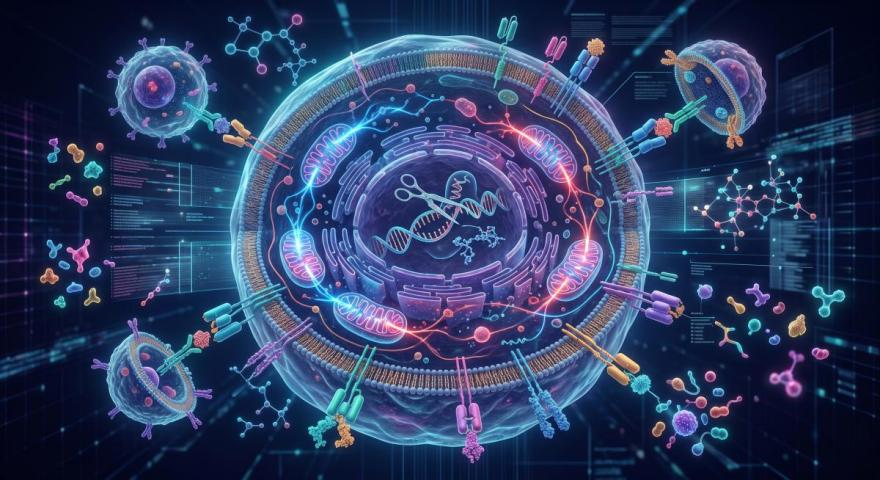
Modern immuno-oncology research increasingly requires complementary strategies to understand tumour state, resolve molecular heterogeneity, and evaluate engineered immune-cell responses. By aligning these three research tiers into a unified pipeline, Creative Biolabs provides the preclinical infrastructure needed to investigate the complex biological microenvironment of cancer cells.
To support the understanding of tumour metabolic states, extracellular flux analysis (EFA) enables researchers to quantify oxygen consumption rate (OCR) and extracellular acidification rate (ECAR) in live cell populations, providing complementary readouts of mitochondrial respiration and glycolytic activity. These measurements can support studies of tumour metabolic reprogramming and metabolic responses to candidate compounds.
To characterize tumour heterogeneity, particularly in non-small cell lung cancer (NSCLC)—the most common type of lung cancer—Creative Biolabs offers an integrated molecular and spatial profiling approach. By combining NGS and flow cytometry with spatial methods such as FISH and immunofluorescence, the platform supports the investigation of biomarker expression, cellular composition, and spatial heterogeneity in NSCLC research samples. These complementary readouts can help researchers explore molecular heterogeneity and evaluate candidate biomarkers in preclinical NSCLC studies.
Furthermore, to evaluate and engineer the immune response, Creative Biolabs has upgraded its immunomodulation capabilities to support CAR-T and TCR-T research and preclinical development workflows. The expert team provides advanced genetic modifications, including the knockout of inhibitory receptors such as PD-1 and CTLA-4, the integration of cytokine signalling enhancements, and the incorporation of suicide-gene constructs designed to support investigation of controllable safety mechanisms in engineered T cells. Additional capabilities include γδ T-APC engineering for studies of antigen presentation and T-cell activation.
"Tumour metabolism, molecular heterogeneity, and immune-cell function are often studied as separate questions, although they can be closely connected in immuno-oncology research," said a senior scientist at Creative Biolabs. "Bringing complementary analytical and cell-engineering capabilities into a coordinated preclinical workflow can help researchers examine these relationships more systematically."
For more information on the immuno-oncology preclinical services, please visit https://www.creative-biolabs.com/immuno-oncology/.
About Creative Biolabs
Creative Biolabs provides preclinical research services supporting antibody discovery, immuno-oncology, biomarker research, and cell-based therapeutic development. Its immuno-oncology capabilities include tumour profiling, metabolic analysis, immune-cell engineering, and related analytical and functional studies for pharmaceutical, biotechnology, and academic research programs.