
Bionow’s BioIgnite conference sparks conversation and collaboration
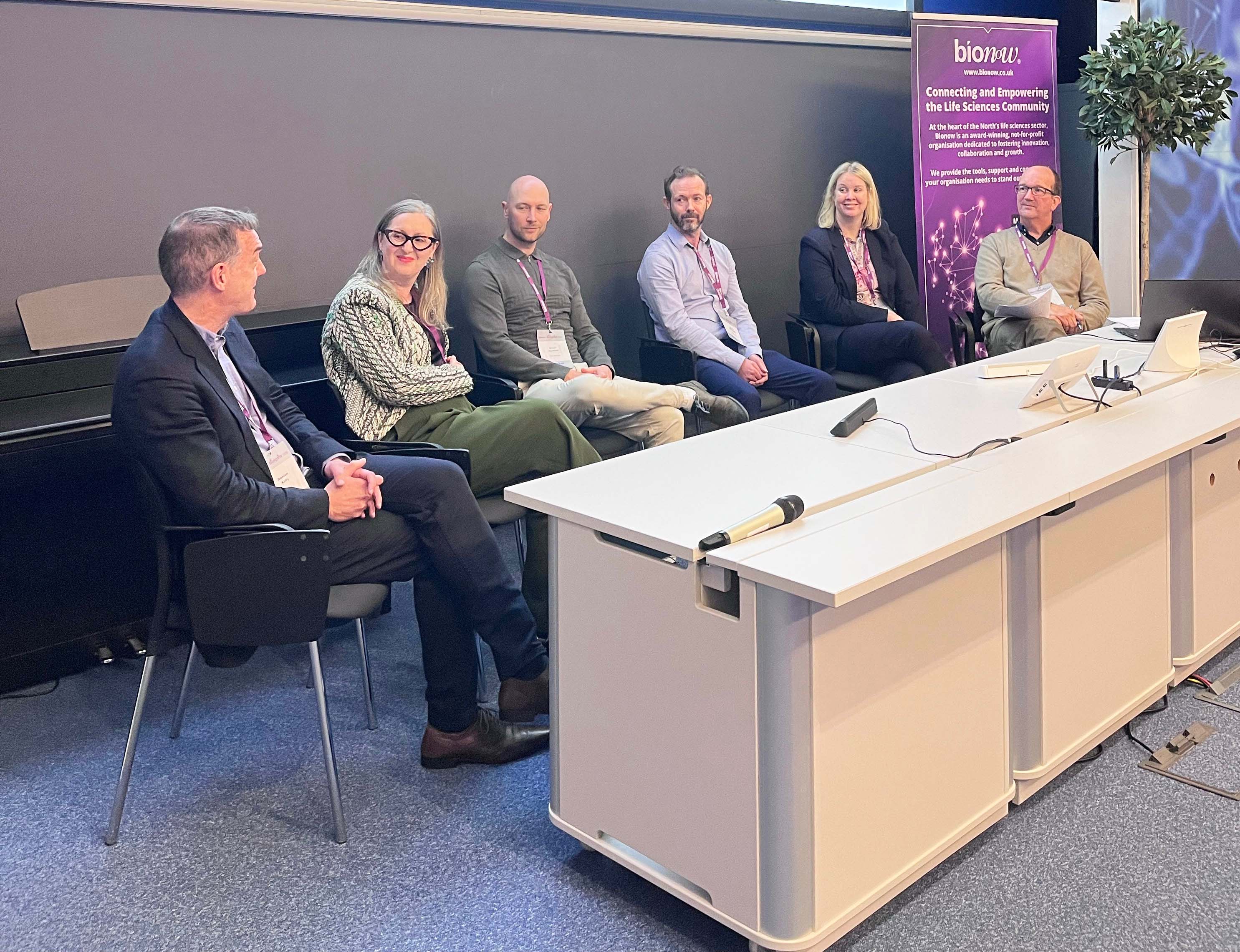
The Bionow BioIgnite conference returned to Sci-Tech Daresbury, bringing together 90 life sciences leaders, innovators, researchers and growing businesses for a day of insight, discussion and new connections.
Built around the theme Sparking Growth Through Collaboration, the conference explored the ideas, capabilities and partnerships supporting life sciences innovation across the North. Attendees also had the opportunity to take part in tours of Sci-Tech Daresbury’s laboratory, technology and workspace facilities before the main programme began.
The day opened with a keynote address from Dr Glenn Wells, Deputy Executive Chair at the Medical Research Council (MRC), with an overview of the MRC’s role in supporting medical and biomedical research across the UK. He explained how the organisation works with partners across academia, industry, charities and the public sector to help turn scientific discoveries into practical benefits, from earlier diagnosis and more precise treatments to better ways of preventing illness. The presentation also highlighted the breadth of support needed to move research from discovery towards real-world impact, including investment in people, skills, data, technologies and research infrastructure.
Looking ahead, priorities that were identified included improving understanding of how and when diseases develop, enabling earlier intervention, advancing targeted treatments and strengthening the use of AI and data-driven approaches in biomedical research. The value of collaboration and long-term partnerships in addressing unmet needs, developing regional research strengths and translating innovation into benefits for patients, the health service and the wider economy was also emphasised.
Dr Ross Burn, CEO and Co-Founder of CatSci, shared the company's journey from a specialist provider of catalysis research services to a broader medicines development partner. Reflecting on 15 years of growth, he described how the business has evolved its scientific capabilities while remaining focused on solving the complex technical challenges that can prevent promising medicines from reaching patients. He also highlighted the importance of adapting to changing technologies, market demands and opportunities for innovation across the life sciences sector.
Drawing on lessons learned along the way, the role of leadership in creating and driving a clear vision was highlighted, along with the value of investing in people and culture, and the importance of building a strong reputation over time. There were also reflections on the challenges businesses face as they move from start-up to scale-up, including navigating periods of uncertainty and a changing funding environment. The central message was that sustainable growth depends on a combination of purpose, resilience, talented people and the ability to continually evolve.
The Set the Scene panel considered how a more connected life sciences ecosystem could drive growth across the North. Speakers explored the role of industry, academia, the NHS and regional organisations in connecting businesses with the expertise, facilities, finance and networks they need. Making the region’s existing assets easier to access and navigate emerged as an important priority.
The session also examined the practical barriers that can prevent promising ideas from progressing beyond research or pilot projects. These included gaps in commercialisation finance, regulatory and procurement challenges, and the need for clearer routes from development to adoption. Early engagement and sustained partnerships were seen as essential to helping new technologies achieve wider use and real-world impact.
The Made Here: The North’s Manufacturing Powerhouse session turned the focus to the region’s manufacturing expertise and its ability to take innovation through to commercial production. Speakers pointed to the North’s established companies, scientific infrastructure, universities and skills base as important advantages in attracting investment and developing a strong workforce.
The discussion also recognised the need for greater capacity to help promising companies manufacture at scale without moving elsewhere. Shared facilities, continued investment in skills and closer links between Liverpool, Manchester and neighbouring areas could help address infrastructure gaps and raise the profile of the North’s manufacturing capabilities. Creating the right conditions for businesses to grow would strengthen the region’s competitiveness and help secure long-term investment.
The conference programme also showcased the strength of the research and development pipeline across the region. The What's in the Pipeline session featured advances addressing major healthcare challenges, including antimicrobial resistance, acute pancreatitis and improved models for cardiovascular research. The presentations demonstrated the breadth of activity taking place across the life sciences sector and the continued importance of translating scientific discovery into practical benefit.
The Showcase of Catalyst and PoC Companies presentations explored how emerging businesses are moving promising technologies closer to commercial application with support from the STFC DeepTech Catalyst and Proof of Concept programmes. Through a series of company case studies, delegates gained insight into the realities of scaling new technologies, underlining the value of early-stage support, strategic partnerships and access to funding in helping innovative businesses grow and succeed.
Bionow CEO, Geoff Davison, commented: “BioIgnite was created to bring together the people, ideas and capabilities that are driving life sciences innovation across the North. This year’s event demonstrated the value of connecting industry, academia and the wider support ecosystem, creating space for honest discussion, shared learning and new collaborations. Thank you to everyone who contributed to the programme, we look forward to seeing how the conversations and connections made at BioIgnite continue to develop.”
BioIgnite 2026 was supported by Sci-Tech Daresbury, STFC and Equans Sci-Tech.