
Advancing Immuno-Oncology Drug Discovery with Preclinical Models
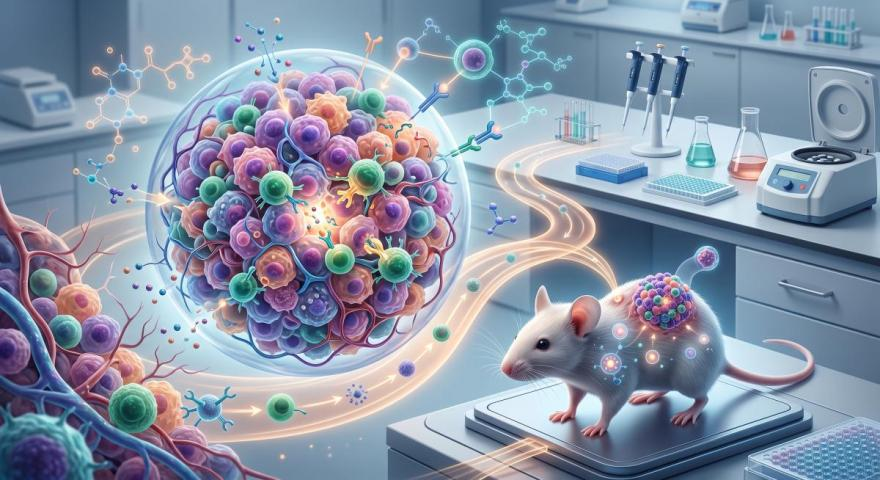
Immuno-oncology (IO) continues to advance oncology research, providing new avenues for therapeutic investigation. However, despite these rapid scientific advancements, biopharmaceutical developers still face a significant and costly bottleneck: the high attrition rate of clinical candidates. The core of this challenge frequently lies in the inherent limitations of conventional preclinical models, which often fail to accurately recapitulate the intricate human immune system and the highly immunosuppressive nature of the tumor microenvironment (TME). Recognizing this critical translational gap, Creative Biolabs has developed a comprehensive, multi-dimensional preclinical platform specifically designed to support preclinical evaluation from the earliest stages and facilitate preclinical candidate selection.
To successfully advance novel immunotherapies through preclinical stages, researchers must eliminate poor drug candidates long before they reach expensive and time-consuming clinical phases. Achieving this requires deep mechanistic insights and robust testing paradigms. This is where comprehensive immuno-oncology efficacy modeling becomes a key component. It allows developers to rigorously evaluate how next-generation therapeutics—such as bispecific antibodies, cell therapies, and immune checkpoint inhibitors—interact with target cells. A major hurdle in this developmental process is understanding and overcoming immune exhaustion. By specifically modeling T-cell dysfunction within a simulated TME, Creative Biolabs enables researchers to observe whether a new drug can effectively reverse immune suppression and reinvigorate targeted cellular responses.
Historically, early-stage efficacy screening relied heavily on traditional 2D cell cultures, which severely lack the spatial architecture and dynamic cellular interactions necessary for reliable immune-tumor interaction studies. In response to this industry-wide limitation, Creative Biolabs leverages advanced 3D tumor organoid modeling to provide a biologically relevant in vitro alternative. These sophisticated organoids maintain the cellular heterogeneity, histological features, and precise genetic footprint of the source tumors. By incorporating relevant immune components into these 3D structures, Creative Biolabs provides drug developers with a high-throughput, physiologically relevant environment to test drug penetrance, immune cell infiltration, and targeted tumor-killing capabilities before any animal studies are initiated.
While these in vitro advancements are undoubtedly crucial for pipeline screening, the ultimate preclinical validation demands a functional human immune system interacting with a tumor in a living organism. Standard murine models consistently fall short when evaluating human-specific therapeutic targets due to significant cross-species disparities. To conquer this complex biological requirement, Creative Biolabs offers specialized humanized mouse tumor models. By expertly engrafting human immune cells—such as peripheral blood mononuclear cells (PBMCs) or CD34+ hematopoietic stem cells (HSCs)—into immunodeficient mice, their scientific team creates a relevant in vivo setting. These models can support selected efficacy, pharmacodynamic, immune-activation, and exploratory tolerability endpoints, subject to model design, donor background, target cross-reactivity, and study duration.
By seamlessly unifying deep mechanistic profiling with cutting-edge 3D organoids and sophisticated in vivo models, Creative Biolabs stands as a global partner for biotech and pharma innovators. The integrated workflow is intended to support model-informed candidate comparison and mechanistic assessment during preclinical immuno-oncology research.
For research use only. The described models and services are intended for preclinical research and are not intended for diagnostic, therapeutic, or clinical use.